
The Best AI Voice Tools for Creating Menacing Robot Characters (and What B2B Teams Should Know)
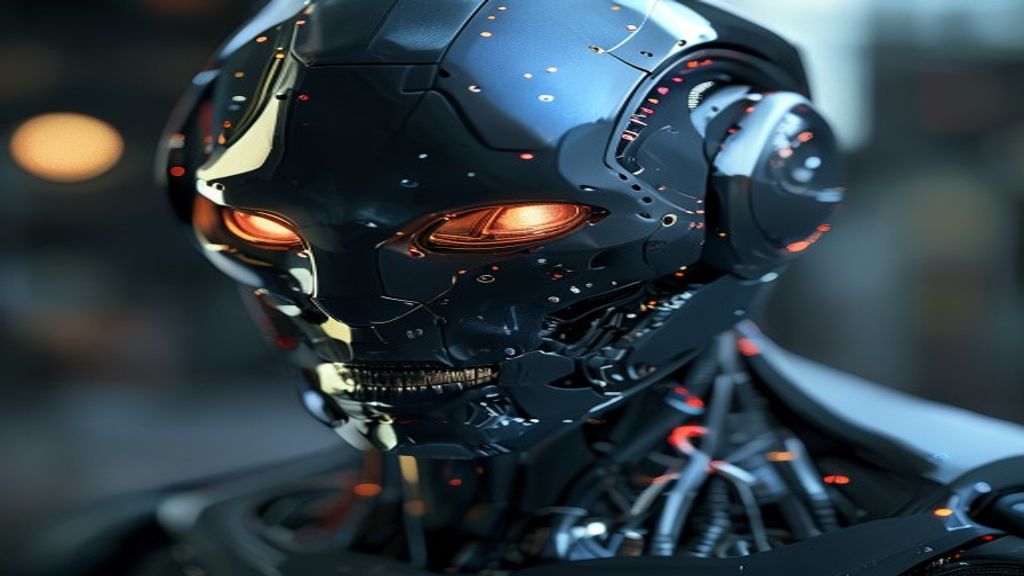
The best AI voice tools for creating menacing robot characters include ElevenLabs with its custom voice design, Resemble AI for granular control over mechanical tones, and Murf AI for dystopian character voices. B2B teams should prioritize platforms offering commercial licensing, API integration capabilities, and adjustable parameters like pitch modulation and distortion effects for authentic robotic menace.
Creators and businesses increasingly need synthetic voices that sound mechanical, ominous, or otherworldly—for games, films, training simulations, and marketing campaigns. Modern AI voice generators now offer granular control over tone and timbre, making it surprisingly easy to craft threatening robot voices without expensive voice actors or complex audio engineering.
Why Businesses Need Threatening Robot Voices
Before diving into tools, it's worth understanding the legitimate use cases. Game studios need villain dialogue. Cybersecurity firms create threat simulations. Marketing teams produce attention-grabbing content. Training platforms build scenario-based learning modules. The demand for synthetic antagonist voices has grown alongside the broader adoption of AI audio tools.
The key requirement: controllability. You need to adjust pitch, add mechanical distortion, layer effects, and iterate quickly. Traditional voice acting requires studio time, multiple takes, and post-production. AI voice tools let you generate, test, and refine in minutes.
Top Tools for Creating Threatening AI Robot Voices
ElevenLabs leads the pack for raw voice quality and customization. Their Voice Design feature lets you adjust parameters like age, accent, and tone. For robot voices, start with a deeper male voice, then use their API or desktop app to layer effects. The platform supports SSML tags for pacing and emphasis, letting you control exactly how menacing each line sounds.
The professional tier costs $99/month but includes commercial rights and higher quality outputs. For B2B teams producing content at scale, the API integration matters more than the consumer-facing interface.
PlayHT 2.0 offers particularly strong control over emotional tone. Their "voice cloning" feature can take a human voice sample and make it sound progressively more synthetic. This works well when you want something that sounds almost human but deliberately uncanny. The granular emotion controls let you dial up aggression or coldness without manually editing audio files.
Resemble AI specializes in custom voice creation with fine-tuned control. Their platform includes built-in audio effects specifically designed for sci-fi and mechanical sounds. You can add robotic distortion, metallic resonance, and vocoder effects directly in the generation process. This matters for production workflows because you're not bouncing between multiple tools.
For teams at MasterAI Labs building voice-enabled products, Resemble's API documentation is notably thorough, with clear examples for real-time voice synthesis.
Murf AI provides a middle ground between ease of use and professional features. Their voice library includes several options that work well as starting points for threatening characters. The pitch and speed controls are intuitive, and you can preview changes instantly. The collaboration features make it practical for teams where non-technical stakeholders need to approve voice outputs.
The Technical Approach: Layering Effects
Creating a truly threatening robot voice usually requires more than selecting a deep voice and clicking generate. Here's the workflow most professionals use:
Start with a base voice that has the right fundamental tone. Deeper voices generally read as more threatening, but mid-range voices with the right processing can sound more unsettling.
Adjust the speaking rate. Slower delivery sounds more deliberate and menacing. Faster delivery with clipped consonants can sound aggressive or unstable.
Add mechanical characteristics in post-processing. Most AI voice platforms output clean audio that you'll want to process further. Tools like iZotope's VocalSynth or free options like Audacity can add:
- Ring modulation for metallic tones
- Bit crushing for digital distortion
- Chorus effects for an inhuman quality
- Low-pass filters to emphasize bass frequencies
Layer subtle glitches or static. A perfectly clean robot voice often sounds less threatening than one with occasional artifacts that suggest damage or instability.
What B2B Operators Should Consider
Licensing matters more than you think. Many AI voice platforms have restrictions on creating content that could be used for impersonation or harassment. Read the terms carefully. Most allow fictional character voices for entertainment or training, but explicitly prohibit using the technology for threatening real people.
Voice consistency across projects becomes critical if you're building a character that appears in multiple pieces of content. ElevenLabs and Resemble both offer voice saving and version control, so your villain sounds the same in episode one and episode ten.
API reliability varies significantly between providers. If you're building voice into a product rather than just creating one-off content files, test the API thoroughly under load. Response times and uptime matter when users are waiting for generated audio.
Cost structure changes with scale. Per-character pricing makes sense for occasional use. Monthly subscriptions work for regular content production. Enterprise API pricing becomes more economical above certain thresholds. Calculate your actual usage before committing.
Ethical Guardrails Worth Implementing
If your team is generating threatening voices at scale, consider implementing review processes. Even for legitimate fictional content, some outputs could be misused if they leak or are shared out of context.
Document the intended use case for each voice generation project. This protects your team if questions arise about how the technology was deployed.
Watermark or tag generated audio where possible. Several platforms now offer optional audio watermarking that identifies content as synthetic without affecting listener experience.
The Bottom Line
Modern AI voice tools have made it straightforward to create compelling threatening robot voices without audio engineering expertise. ElevenLabs offers the best overall quality, PlayHT excels at emotional control, Resemble provides the most comprehensive effects, and Murf balances usability with features.
For B2B operators, the choice depends less on which tool sounds best and more on which integrates cleanly into your existing workflow, offers the licensing you need, and scales with your usage patterns. The technology itself is remarkably capable. The operational questions matter more than the technical ones.
Our AI Tools
See all our apps →📚 Free: Get Found by AI — the 2026 GEO Playbook
Get the free ebook on how to get your brand cited by the AI Claude, Gemini & Perplexity — plus new posts as we publish them.
No spam. Unsubscribe anytime in one click.